

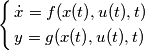
Il prof ci ha detto che per vedere se un sistema è stazionario bisogna sostituire a
 ->
->  , ma quindi in questo caso sostituendo ottengo:
O no? Sbaglio?
 Elettrotecnica e non solo (admin)
 Un gatto tra gli elettroni (IsidoroKZ)
 Esperienza e simulazioni (g.schgor)
 Moleskine di un idraulico (RenzoDF)
 Il Blog di ElectroYou (webmaster)
 Idee microcontrollate (TardoFreak)
 PICcoli grandi PICMicro (Paolino)
 Il blog elettrico di carloc (carloc)
 DirtEYblooog (dirtydeeds)
 Di tutto... un po' (jordan20)
 AK47 (lillo)
 Esperienze elettroniche (marco438)
 Telecomunicazioni musicali (clavicordo)
 Automazione ed Elettronica (gustavo)
 Direttive per la sicurezza (ErnestoCappelletti)
 EYnfo dall'Alaska (mir)
 Apriamo il quadro! (attilio)
 H7-25 (asdf)
 Passione Elettrica (massimob)
 Elettroni a spasso (guidob)
 Bloguerra (guerra)
Moderatori:  carloc,
  g.schgor,
  BrunoValente,
  IsidoroKZ
 da
da  kotek » 27 mar 2012, 10:36
-> , ma quindi in questo caso sostituendo ottengo:da  DirtyDeeds » 27 mar 2012, 10:47
 ).
).

 instead of
  (Anonimo).
 ain't
ain't  , right?
 in lieu of
  .
. for
for  arithm.
 DirtyDeeds

da kotek » 27 mar 2012, 10:51
 kotek il 27 mar 2012, 11:21, modificato 2 volte in totale.
da  RenzoDF » 27 mar 2012, 10:57
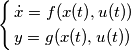 DirtyDeeds
 da DirtyDeeds » 27 mar 2012, 10:58
kotek ha scritto:Quindi dipende anche dal tempo e non è tempo-invariante
 ! instead of (Anonimo). ain't , right? in lieu of . for arithm.DirtyDeeds
da DirtyDeeds » 27 mar 2012, 11:05
RenzoDF ha scritto:avremo che il sistema viene detto stazionario, o tempo-invariante
) va detto che nella teoria dei sistemi dinamici i sistemi del tipo instead of (Anonimo). ain't , right? in lieu of . for arithm.DirtyDeeds
da DirtyDeeds » 27 mar 2012, 11:10
 instead of (Anonimo). ain't , right? in lieu of . for arithm.DirtyDeeds
da DirtyDeeds » 27 mar 2012, 11:13
instead of (Anonimo). ain't , right? in lieu of . for arithm.DirtyDeeds
Visitano il forum: Nessuno e 51 ospiti


